Connie Confronts Clifford and Leaves Wragby
Lady Chatterley's LoverConnie Confronts Clifford and Leaves Wragby is the decisive break between Connie and Clifford Chatterley: the supposed explanation involving Duncan Forbes gives way to Connie’s direct avowal that she loves Oliver Mellors, while Clifford’s refusal to divorce her leaves their marriage legally unresolved. The confrontation ends not in agreement but in separation. Connie leaves with Hilda, and Mellors begins preparing for a possible shared future through farm work, as the couple wait for the baby and for their circumstances to change.
Background and Mounting Pressure
The confrontation follows the public exposure of Mellors’s relationship with Connie. After Bertha Coutts returned to the cottage, she found clues linking Connie to Mellors: a bottle of perfume, a damaged photograph, sketches marked with Connie’s initials, and a book bearing her name. Bertha began identifying Connie as Mellors’s lover, and the news reached the rector and Clifford. Legal steps were taken against Bertha, who then disappeared because she feared the police. The scandal had already brought Connie’s name into public circulation and made a private reckoning at Wragby unavoidable.
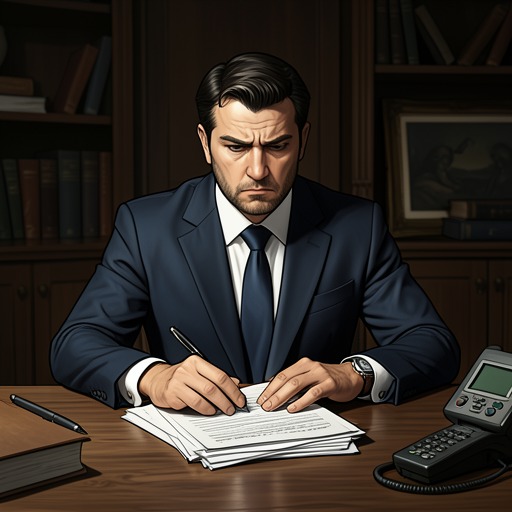
The scandal also cost Mellors his position. When Clifford summoned him, Mellors answered the insinuations with sarcasm rather than submission; Clifford dismissed him, and Mellors planned to leave. Against this background, Clifford had told Connie that he had consulted a lawyer about his divorce. That earlier statement makes his later refusal especially stark: the possibility of ending the marriage had been raised, but when Connie openly asks for it, Clifford will not consent.
The Disclosure
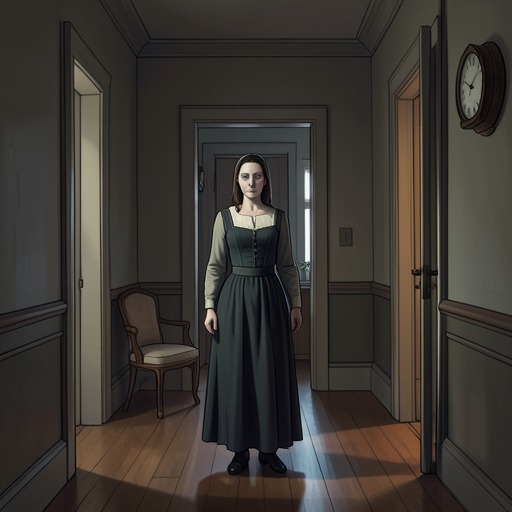
After Hilda has gone upstairs, Clifford and Connie sit together in silence. Connie looks down at her hands while trying to maintain her composure. Clifford asks, “I suppose you don’t at all mind having gone back on your word?” His question frames the issue as a broken agreement. Connie replies that she cannot help it; his answer, “But if you can’t, who can?” presses the conflict between her own choice and the promise she had made.
Clifford then argues that Connie cannot truly love Duncan and still cares more for him. Connie recognizes that he is right about Duncan, but corrects the premise: Duncan was never the man she loved. She explains that they had used his name to spare Clifford’s feelings. The revelation changes the terms of the scene. Connie is not asking Clifford to accept a new attachment to Duncan; she is naming Mellors, the former gamekeeper at Wragby, as the man she loves. Clifford reacts physically, his face turning yellow and his eyes bulging before he falls back in his chair, gasping and staring at the ceiling.
Refusal and Separation
Clifford recasts Connie’s choice as evidence that she is abnormal and morally corrupted. Connie answers by asking whether he would rather divorce her and be done with it. He refuses, saying she may go where she likes but that he will not divorce her. Even when Connie offers Duncan as a possible pretext—so the real name need not enter the divorce case—Clifford remains immovable. He says he will never divorce her, and when she asks whether this is because she wants him to, he says he follows his own inclination and is not inclined to do so.
His refusal leaves Connie with no marital release, despite his earlier mention of consulting a lawyer. The difference between their positions is plain: Connie asks for a way to leave the marriage formally, while Clifford asserts his right to withhold that decision. The scene therefore turns not only on her disclosure of love but also on the limits imposed by marital status. Connie can depart from Wragby, but she cannot make Clifford grant the divorce she wants.
Before leaving, Connie tells Mrs Bolton that Mellors is the man she cares for and that Clifford knows. She asks Mrs Bolton to keep the matter secret and to let her know if Clifford ever becomes willing to divorce her; Connie says she would like to be properly married to the man she loves. Mrs Bolton promises discretion and expresses sympathy for both Connie and Clifford, acknowledging that each is right in their own way. Connie gives her a parting gift, then leaves Wragby with Hilda for Scotland.
The Conditional Future
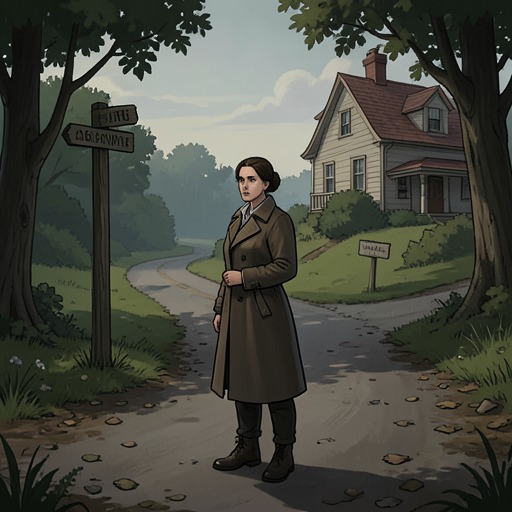
Connie’s departure does not resolve the legal or practical obstacles between her and Mellors. Mellors goes into the country and finds farm work. The plan is for him to obtain a divorce if possible, whether or not Connie obtains hers, and to spend six months working in agriculture. They hope eventually to have a small farm of their own, where Mellors can put his energy into work and earn his living, even if Connie’s capital helps them begin.
Their future is organized around waiting rather than immediate reunion: spring must come, the baby must be born, and early summer must return. The ending joins a clear emotional choice to an uncertain practical settlement. Connie has named Mellors openly, left Wragby, and asked for the possibility of a lawful marriage; Clifford has refused to provide it. The couple’s projected life together therefore remains a plan, dependent on time, work, and divorce proceedings that have not yet been settled.